
Construction Progress
Reporting in Malaysia
Using Visual Evidence
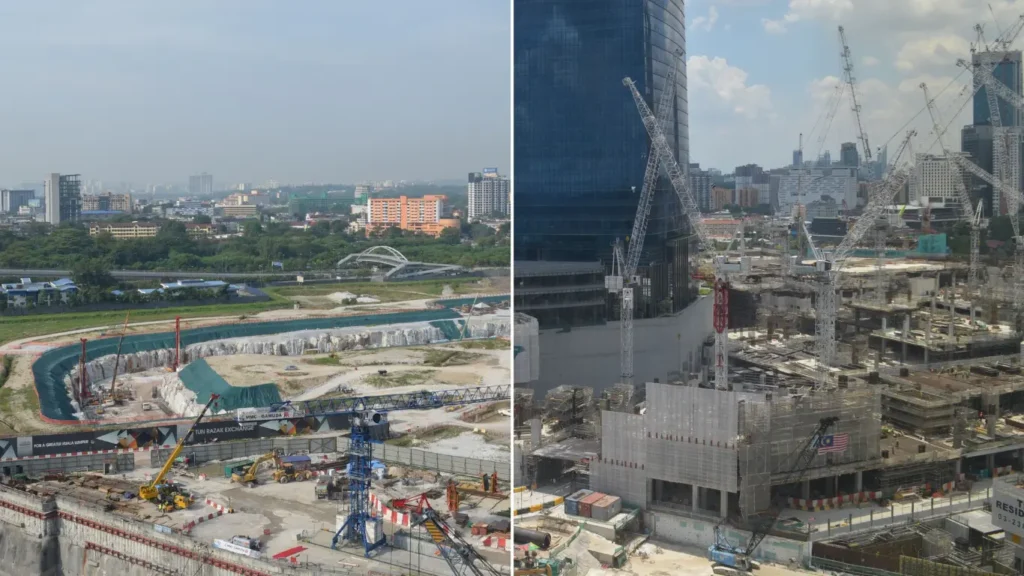
Construction progress reporting in Malaysia is often constrained by delayed updates, subjective interpretations, and fragmented documentation. As projects grow in scale and complexity, stakeholders require reporting methods that are accurate, verifiable, and consistent over time.
Visual evidence—captured through fixed site monitoring systems and construction timelapse—provides a structured foundation for progress reporting. Instead of relying solely on written narratives or isolated site photos, project teams can reference a continuous visual record that supports transparency, accountability, and informed decision-making throughout the project lifecycle.
What Is Construction Progress Reporting?
Construction progress reporting is the process of documenting, validating, and communicating the actual status of work completed at defined intervals or milestones.
Effective progress reporting should:
Reflect on-site reality accurately
Be consistent across reporting periods
Support verification by multiple stakeholders
Reduce ambiguity in progress claims
In practice, many reporting systems rely heavily on manual inputs, which introduces subjectivity and increases the risk of misalignment between reported and actual progress.
Why Traditional Progress Reporting Creates Risk
Conventional construction progress reporting methods often face limitations such as:
Progress percentages based on interpretation rather than evidence
Inconsistent site photos taken from varying viewpoints
Reporting delays between site activity and stakeholder updates
Limited historical records to validate past claims
Increased potential for disputes during valuation or certification
These challenges are amplified in projects with remote stakeholders, multiple contractors, or long construction durations.
What Is Visual Progress Reporting?
Visual progress reporting integrates time-based visual records into the reporting workflow. Rather than replacing formal reports, visual systems support and strengthen them.
Key characteristics include:
Fixed-point visual capture over extended periods
Time-indexed records aligned with reporting cycles
Objective reference points for reviewing progress
Independent verification of reported milestones
By grounding reports in visual evidence, project teams reduce reliance on subjective narratives and improve reporting credibility.
How Construction Timelapse Supports Progress Reporting
Construction timelapse plays a critical role in visual progress reporting when deployed as part of a monitoring system rather than as a marketing tool.
In a reporting context, timelapse enables:
Side-by-side comparison of progress across weeks or months
Review of construction sequences and activity continuity
Verification of milestone completion
Visual confirmation during valuation or certification processes
Unlike ad-hoc photography, timelapse provides consistent, repeatable evidence that aligns naturally with reporting timelines.
Use Cases for Construction Progress Reporting
Client & Asset Owner Updates
Visual progress reporting provides clients with clear visibility into project status without requiring frequent site visits.
Valuation & Certification Support
Quantity surveyors and consultants can reference visual records to support interim valuations and verify completed works.
Internal Project Governance
Project directors and senior management gain independent oversight across multiple sites or packages.
Claims, Variations & Dispute Context
Visual timelines help clarify sequence, timing, and conditions—supporting factual discussions during claims or variations.
Marketing & Documentation (Secondary Use)
While not the primary objective, verified visual records can later support corporate or project documentation needs.
Why Visual Evidence Matters in Audits and Disputes
In situations involving disputes, audits, or retrospective reviews, visual evidence provides context that written reports alone cannot.
Benefits include:
Clear visibility of work progression over time
Ability to review site conditions at specific dates
Reduced reliance on recollection or interpretation
Improved confidence in reported outcomes
Visual records do not replace contractual documentation, but they significantly strengthen evidentiary support.
Construction Progress Reporting in the Malaysian Context
Many Malaysian construction projects involve:
Long-term schedules
Multiple subcontractors
Remote or overseas stakeholders
Government or GLC oversight requirements
Visual progress reporting systems help standardise reporting across these environments, providing consistent reference points regardless of project complexity or stakeholder location.
How Sivdio Approaches Progress Reporting
Sivdio approaches construction progress reporting as a structured visibility process, not a content exercise.
Key principles include:
Monitoring-first deployment aligned with project timelines
Visual records designed for review and verification
Reporting-ready outputs that complement formal documentation
Scalability across multi-site or phased projects
This approach ensures visual systems support practical reporting needs, rather than serving purely promotional objectives.
FAQ
Q1: What is construction progress reporting?
Construction progress reporting documents and communicates the status of completed works at defined intervals, supporting oversight, valuation, and stakeholder updates.
Q2: How does timelapse improve progress reporting?
Timelapse provides a continuous visual record that allows stakeholders to verify progress, compare stages, and review historical site conditions objectively.
Q3: Is visual progress reporting suitable for large projects?
Yes. Visual reporting systems are particularly effective for long-duration and multi-stakeholder projects where consistent visibility is required.
Q4: Can visual records support valuations or audits?
Visual records provide contextual evidence that supports valuation discussions, audits, and retrospective reviews, alongside formal documentation.
Looking Ahead
For projects where reporting accuracy, transparency, and verification are critical, understanding how visual evidence supports construction progress reporting is essential. Sivdio’s monitoring-oriented approach aligns visual systems with practical reporting requirements throughout the project lifecycle.
Nadia Khalid, Sales Representative,
sales [at] timelapsemalaysia.com