
Construction Timelapse in Malaysia:
Practical Use Cases, Cost, and Governance
Construction timelapse in Malaysia is commonly requested as a way to see project progress over time. Developers, contractors, and consultants often begin by asking for a timelapse camera to document a site visually.
In practice, however, timelapse becomes more than a visual output once projects extend over months, involve multiple stakeholders, or require formal reporting. What starts as a camera on-site evolves into site progress documentation, monitoring continuity, and verifiable visual records that support project coordination and review.
This article explains how construction timelapse is actually used on Malaysian projects, how cost should be interpreted, and why governance considerations increasingly shape requirements as project complexity grows.
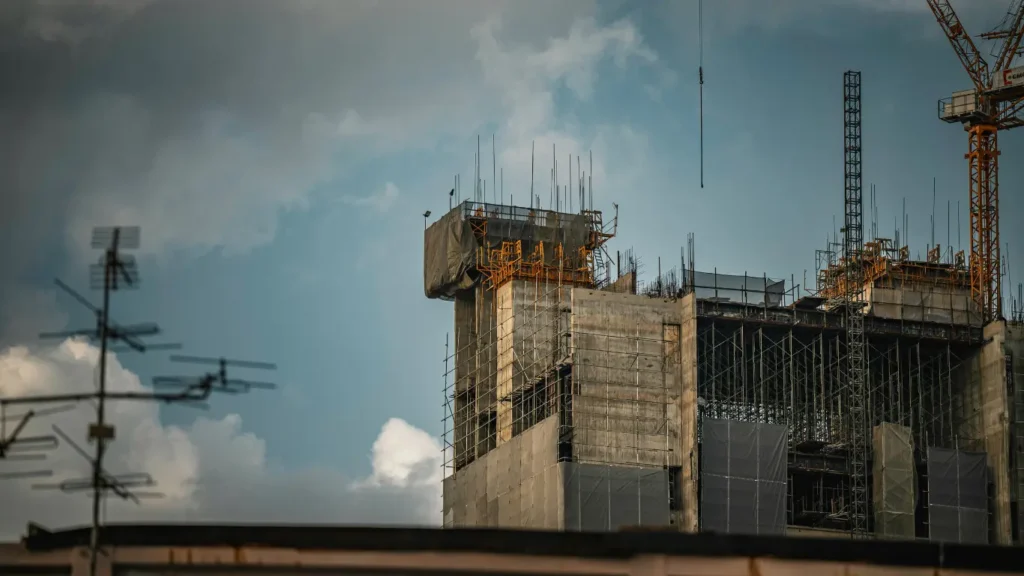
What Construction Timelapse Really Means on Malaysian Projects
Construction timelapse is often misunderstood as a final video deliverable. On active sites, it functions instead as a visual documentation process.
In Malaysian construction environments, timelapse typically supports:
Ongoing visibility of site activities over long durations
Periodic progress verification against schedules
Visual references during coordination meetings
Archived evidence of completed stages and milestones
The resulting video is only a by-product. The real value lies in continuous visual capture that allows teams to review what happened, when it happened, and how conditions evolved on site.
This distinction becomes important once projects move beyond short-term builds or single-party oversight.
For Malaysian infrastructure, high-rise, and long-duration projects, this creates a practical limitation: visual records are not available when they are needed most for reporting, coordination, or stakeholder review.
Practical Use Cases of Construction Timelapse in Malaysia
Projects spanning 12–24 months benefit from uninterrupted visual records. Timelapse helps teams review sequencing, identify delays retrospectively, and maintain continuity even when personnel change.
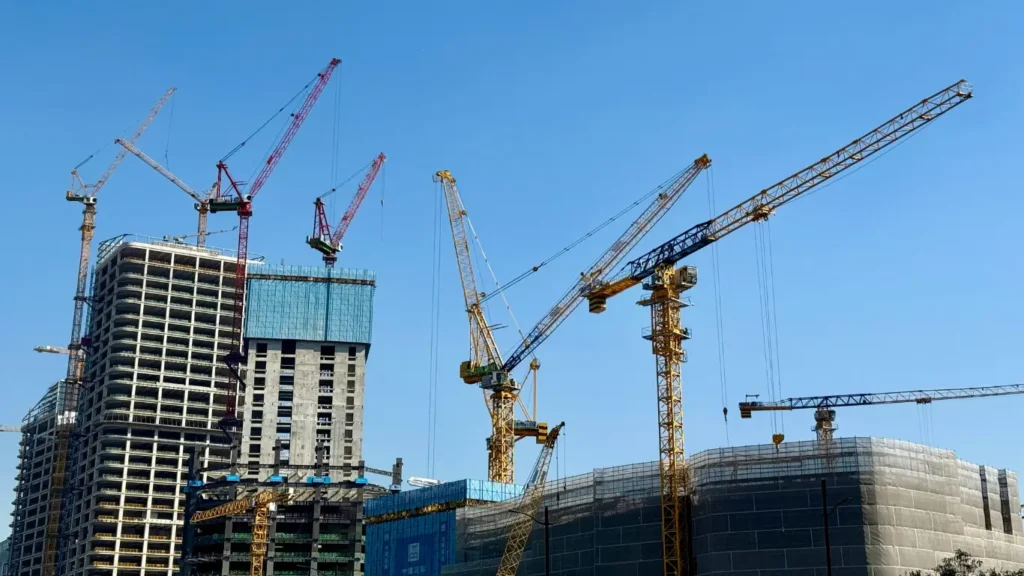
Multi-Stakeholder Developments
Developments involving developers, consultants, contractors, and authorities rely on shared visibility. Timelapse supports common reference points without relying solely on written updates.
Infrastructure and Linear Works
For infrastructure or geographically distributed sites, timelapse offers periodic confirmation of progress where daily site visits are impractical.
Dispute Avoidance and Clarification
When questions arise about timing, access, or site conditions, a time-based visual record provides neutral context rather than opinion-based recollection.
These use cases reflect operational realities rather than promotional outcomes.
Understanding Cost: What You Are Really Paying For
Construction timelapse cost in Malaysia is often evaluated by the number of cameras or the length of the final video. This approach misses the underlying drivers of value.
Cost is influenced by:
Duration of monitoring (weeks vs months vs years)
Frequency and reliability of capture
Data continuity and storage discipline
Accessibility of interim visuals for review
A low-cost, output-only setup may produce a video at the end, but offers limited value during the project itself. As monitoring expectations increase, cost reflects the need for consistency, uptime, and structured documentation, not visual polish.
Understanding cost through this lens avoids unrealistic expectations and misaligned scope.
Governance: When Timelapse Becomes Insufficient on Its Own
As projects scale, governance requirements change. Visual records shift from “nice to have” to supporting evidence.
Timelapse alone is generally sufficient when:
Projects are short-term
Stakeholders are limited
Visuals are used mainly for internal reference
Timelapse becomes insufficient when:
Projects involve formal reporting cycles
Accountability spans multiple organisations
Documentation must withstand review or audit
At this stage, expectations extend beyond imagery into documentation continuity, traceability, and verifiable records. Timelapse supports these needs, but does not replace structured reporting, supervision, or contractual oversight.
Recognising this boundary is critical to using timelapse appropriately.
How Requirements Evolve Over the Project Lifecycle
Early-stage projects often focus on visibility. Mid-stage projects emphasise coordination. Late-stage projects prioritise records and verification.
This evolution is common in Malaysian construction environments:
Early: simple visual progress confirmation
Mid: regular reviews across stakeholder groups
Late: reference material for completion, claims, or handover
Timelapse remains relevant throughout, but its role changes. Teams that understand this progression avoid over-reliance on outputs and underinvestment in documentation continuity.
FAQ
Q1: Is the timelapse video considered a final project deliverable?
No. Timelapse videos generated during the project are interim visual outputs. They are produced from ongoing image capture and do not replace final completion documentation unless specifically defined in the project scope.
Q2: Does generating a timelapse interrupt live image capture or monitoring?
No. Timelapse generation is performed using already captured imagery and does not interrupt ongoing image capture or site monitoring.
Q3: How soon can a timelapse be requested after deployment?
Once cameras are installed and image capture has commenced, timelapse sequences can be generated at any point, subject to the minimum capture period agreed during deployment.
Q4: What determines the 24–48 hour delivery timeframe?
Delivery time depends on the duration of the capture window selected, output resolution, and number of camera angles requested. The timeframe refers to processing and export after a request is confirmed.
Q5: Can multiple timelapse videos be generated from the same camera?
Yes. Multiple timelapse outputs can be generated from the same camera over the project duration, provided image capture is continuous.
Summary
Construction timelapse in Malaysia is not just about producing a video. It is a visual documentation process that supports monitoring, coordination, and review as projects evolve.
When applied appropriately, timelapse strengthens site progress documentation and shared visibility. When treated purely as an output, its value is limited. Understanding use cases, cost drivers, and governance boundaries allows teams to deploy timelapse realistically—aligned with project scale and oversight requirements.
Used this way, construction timelapse remains a practical tool, not a misunderstood product.
Nadia Khalid, Sales Representative,
sales [at] timelapsemalaysia.com